
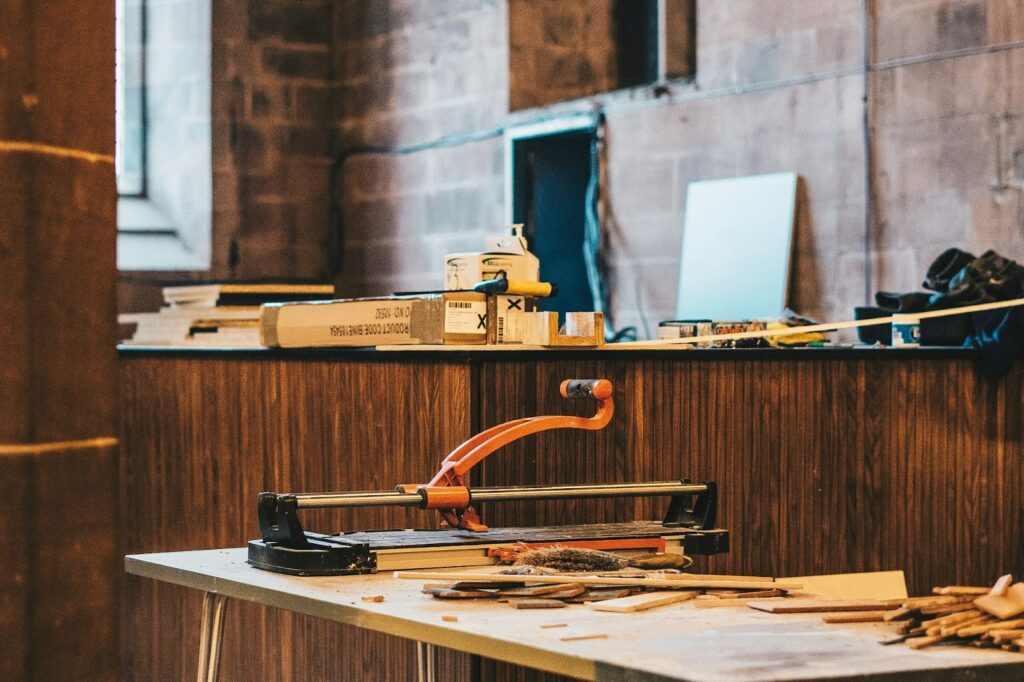
In construction and design, discussions often arise about the differences and significance of joinery and carpentry. While both are essential in shaping the structures and aesthetics of buildings, they have unique features and areas of expertise. This blog delves deeply into joinery and carpentry, highlighting their roles in the construction landscape, particularly in Auckland’s commercial fit-out projects.
What is Joinery?
Joinery refers to the craft of connecting pieces of wood to create complex items and fittings without using metal fasteners. Joiners meticulously craft wood to create structures like windows, doors, staircases, and custom furniture, enhancing both the functionality and aesthetics of buildings.
In New Zealand, particularly in Auckland, joinery is highly valued for its craftsmanship, evident in both historical and contemporary architecture. Whether it’s the designs in Victorian houses or sleek styles in urban apartments, joinery reflects Kiwi ingenuity and appreciation for natural materials. At M8 FITOUT Solutions, we deliver prefabricated and custom-made joinery that fits your space flawlessly, enhancing your interior design with seamless craftsmanship. As one of the NZ commercial joinery specialists, we ensure that every project meets the highest standards of quality and precision.
What is Carpentry?
Carpentry, with its broad range of projects, serves as the foundation of the construction field. Carpenters are craftsmen who construct buildings, install roofs, and lay floors, forming the structure on which all other work hinges. Their expertise encompasses cutting, shaping, and installing construction materials to ensure the strength and security of commercial spaces.
In New Zealand, carpentry embodies adaptability and resilience in line with the country’s diverse terrains and architectural designs. Carpenters in Aotearoa are recognized for their adeptness in overcoming challenges when constructing in varied climates, from wet, temperate regions to rugged, alpine zones. They demonstrate a profound understanding of local conditions and materials.
Key Differences Between Joinery and Carpentry

Although joinery and carpentry share a foundation in woodworking, distinct differences separate them. Joiners excel in creating wood pieces in a workshop, emphasizing precise and intricate connections that bring beauty and functionality to interiors. In contrast, carpenters typically operate on-site, assembling the larger structural components of a building and tackling broader construction tasks.
These distinctions also extend to the tools and materials preferred by each profession. Joiners use a range of tools to achieve the precision needed for their tasks, while carpenters depend on a sturdy toolkit tailored for cutting, shaping, and securing materials on a larger scale. Understanding these distinctions is essential for individuals undertaking construction or home renovation in New Zealand. Determining whether the skill set of a joiner or carpenter is more suitable for your project can significantly impact the outcome, ensuring that every aspect aligns with your vision and needs.
Choosing Between a Joiner and a Carpenter for Your Project

Choosing between a joiner or carpenter is crucial for your construction or renovation project’s success. For intricate, custom wooden elements like bespoke furniture, detailed window frames, or unique doors, a joiner’s expertise in enhancing both character and functionality is ideal. At M8 FITOUT Solutions, our expert team collaborates closely with you to bring your design visions to life, ensuring seamless integration of aesthetics and functionality.
Conversely, if your project involves constructing buildings, erecting frameworks, or major structural tasks, carpenters provide indispensable skills. They establish foundations for durable structures capable of withstanding New Zealand’s diverse climates.
When hiring, prioritize professionals with a proven track record, relevant qualifications, and positive feedback. In New Zealand, skilled tradespeople often belong to industry groups, demonstrating their commitment to quality and standards. Led by an experienced project manager, M8 FITOUT Solutions’ dedicated team ensures continuous care, handles routine tasks, and manages commercial fit-out maintenance to consistently optimize your spaces.
The Significance of Joinery in New Zealand Architecture
Joinery not only adds to the appeal of a building but also plays a crucial role in shaping its personality and functionality. New Zealand’s diverse architectural legacy and evolving design landscape allow joiners to display their skills.
Joinery and Carpentry Trends in New Zealand
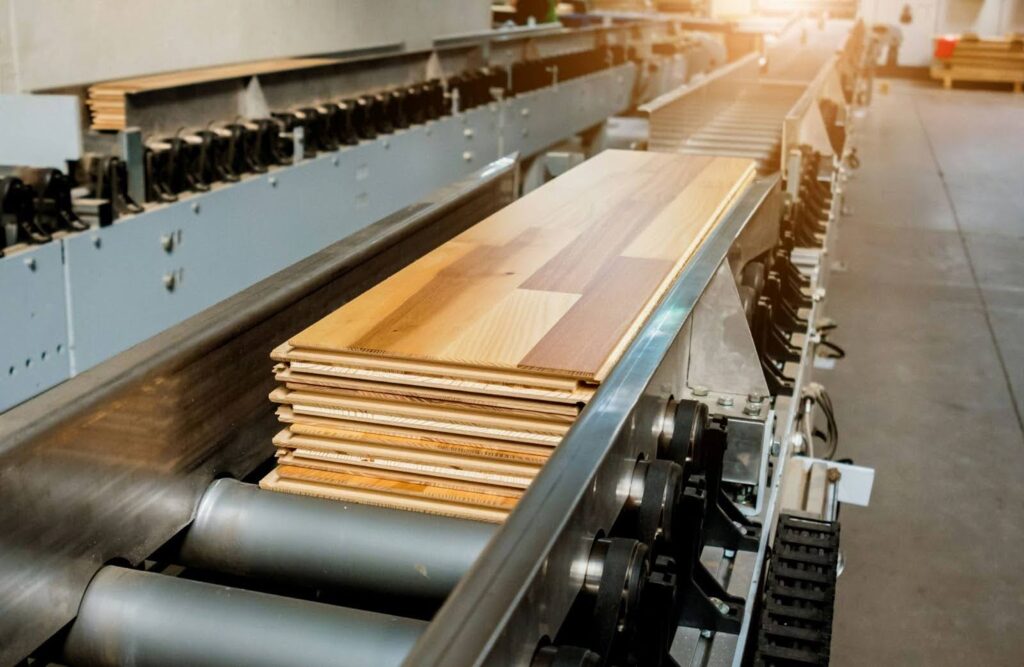
The construction industry in New Zealand embraces trends blending tradition with innovation. Both joiners and carpenters increasingly adopt sustainable building practices, utilizing eco-friendly materials like reclaimed wood, which adds historical charm to spaces.
Modern design influences are evident as minimalist styles gain popularity in commercial and residential settings. These preferences highlight joiners’ precision and craftsmanship in creating sleek, contemporary fittings.
Furthermore, the integration of technology such as CAD and CNC machines enhances joinery by enabling the production of intricate designs with precision. This blend of traditional craftsmanship with modern techniques enriches the industry, offering clients diverse customization options.
Understanding the distinctions between joinery and carpentry is crucial for construction and renovation projects. While both are rooted in woodworking, they differ significantly in skills, tools, and specialization. Joinery enhances both aesthetics and functionality, while carpentry focuses on ensuring structural stability and longevity.
In New Zealand’s diverse landscape and architecture, joiners and carpenters play pivotal roles in shaping the built environment. Choosing the right professional for your project contributes to enhancing your space’s beauty and resilience while honoring New Zealand’s rich architectural heritage rooted in craftsmanship traditions.